In the ever-evolving world of manufacturing, precision and efficiency are no longer optional—they are essential. At the heart of this transformation lies the cnc lathe, a technological marvel that has redefined the standards of machining and production. From aerospace components to intricate jewelry, CNC lathes have become indispensable tools across industries.
What is a CNC Lathe?
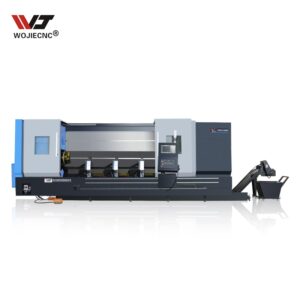
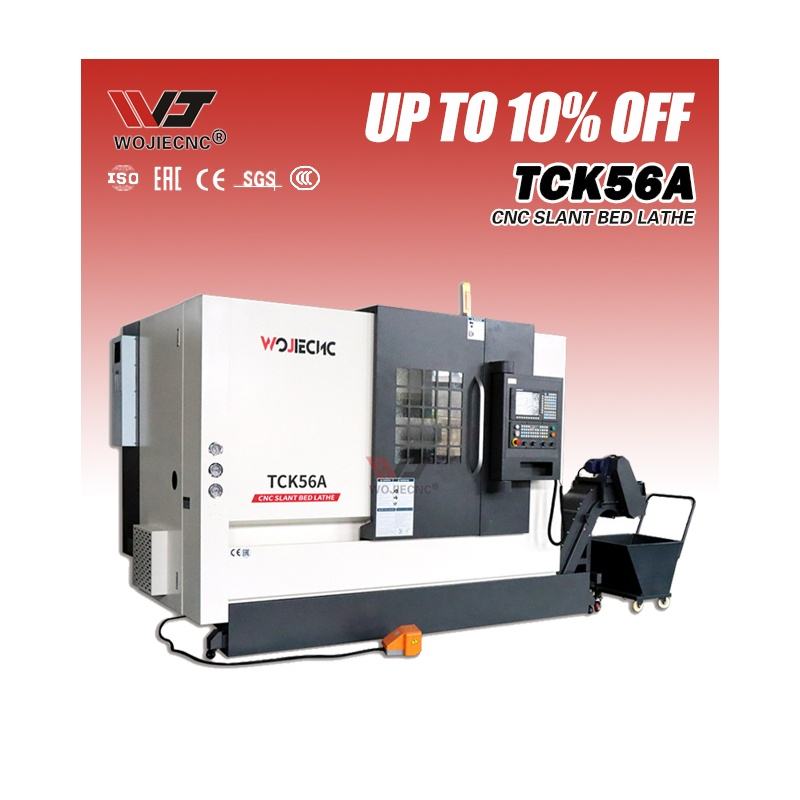
A CNC (Computer Numerical Control) lathe is a machine tool designed to rotate a workpiece while a cutting tool shapes it to precise specifications. Unlike traditional lathes, CNC lathes are automated, driven by computer programs that dictate movement, speed, and tooling. This automation allows for unparalleled accuracy, repeatability, and efficiency.
Key Components of a CNC Lathe:
Bed: The sturdy foundation of the lathe that supports all other components.
Spindle: Holds and rotates the workpiece with precision.
Turret or Tool Post: Houses multiple cutting tools, allowing automatic switching during operations.
Control Panel: The interface where operators input programs and monitor operations.
Feed Mechanism: Controls the movement of the cutting tool relative to the workpiece.
How CNC Lathes Work
The operation of a CNC lathe begins with a digital design, typically created using CAD (Computer-Aided Design) software. This design is then converted into a CNC-compatible code (G-code), which instructs the lathe on movement patterns, cutting speeds, and tool changes.
Once the program is loaded, the lathe executes the instructions with minimal human intervention. Sensors and feedback systems ensure precision by continuously monitoring tool position and workpiece dimensions. The result is a perfectly machined component that meets exacting specifications.
Advantages of CNC Lathes
Precision and Accuracy: CNC lathes can achieve tolerances as tight as a few microns, far beyond the capabilities of manual machining.
Consistency: Once programmed, a CNC lathe can produce hundreds or thousands of identical parts without deviation.
Complex Geometries: Intricate shapes and contours that would be impossible on manual lathes are easily achievable.
Efficiency: Automated tool changes and continuous operation reduce production time significantly.
Reduced Human Error: With minimal manual input, the risk of mistakes is drastically reduced.
Applications Across Industries
CNC lathes are versatile machines that serve a wide range of industries:
Automotive: Engine components, shafts, and gears.
Aerospace: Precision parts for turbines, landing gears, and aircraft frames.
Medical: Surgical instruments and implants requiring high precision.
Electronics: Small, intricate components such as connectors and housings.
Jewelry and Art: Engraving and shaping materials with delicate detail.
The Future of CNC Lathe Technology
As technology advances, CNC lathes are becoming smarter and more integrated. Features like AI-driven predictive maintenance, real-time error correction, and multi-axis machining are pushing the boundaries of what these machines can achieve. Moreover, the integration of IoT (Internet of Things) enables factories to monitor machines remotely, optimizing performance and reducing downtime.
Conclusion
The CNC lathe is more than just a machine—it is a cornerstone of modern manufacturing. Its combination of precision, efficiency, and versatility makes it indispensable in an era where quality and speed define competitiveness. As innovation continues, CNC lathes will not only meet the demands of today but also shape the possibilities of tomorrow.